
We are here to meet all your bulk shipping needs. If you have questions about any of the transportation services that Bulkmatic offers or wish to reach us, please contact us. We’d love to hear from you.


From Burden to Solutions: Embedding Food Safety Across the Supply Chain with Bulkmatic
Executive Summary
Food safety is a global imperative affecting every participant in the supply chain—from producers to logistics providers to end consumers. Each year, unsafe food results in approximately 866 million illnesses and 1.5 million deaths worldwide, underscoring the urgency of effective, system-wide prevention strategies.
At Bulkmatic, food safety is not viewed as a regulatory burden—it is a core operational competency. Through disciplined processes, specialized infrastructure, and empowered employees, Bulkmatic plays a critical role in safeguarding the integrity of bulk food transportation.
The Role of Logistics in Food Safety
Food safety is a shared responsibility from farm to fork, requiring consistent controls at every touchpoint.
As a logistics partner, Bulkmatic occupies a pivotal position in this chain. The transportation phase introduces risks such as contamination, tampering, and microbial growth—making stringent controls essential. Bulkmatic’s approach focuses on proactive prevention rather than reactive correction.
Bulkmatic’s Integrated Food Safety Framework
Bulkmatic embeds food safety across its operational model through five key pillars:
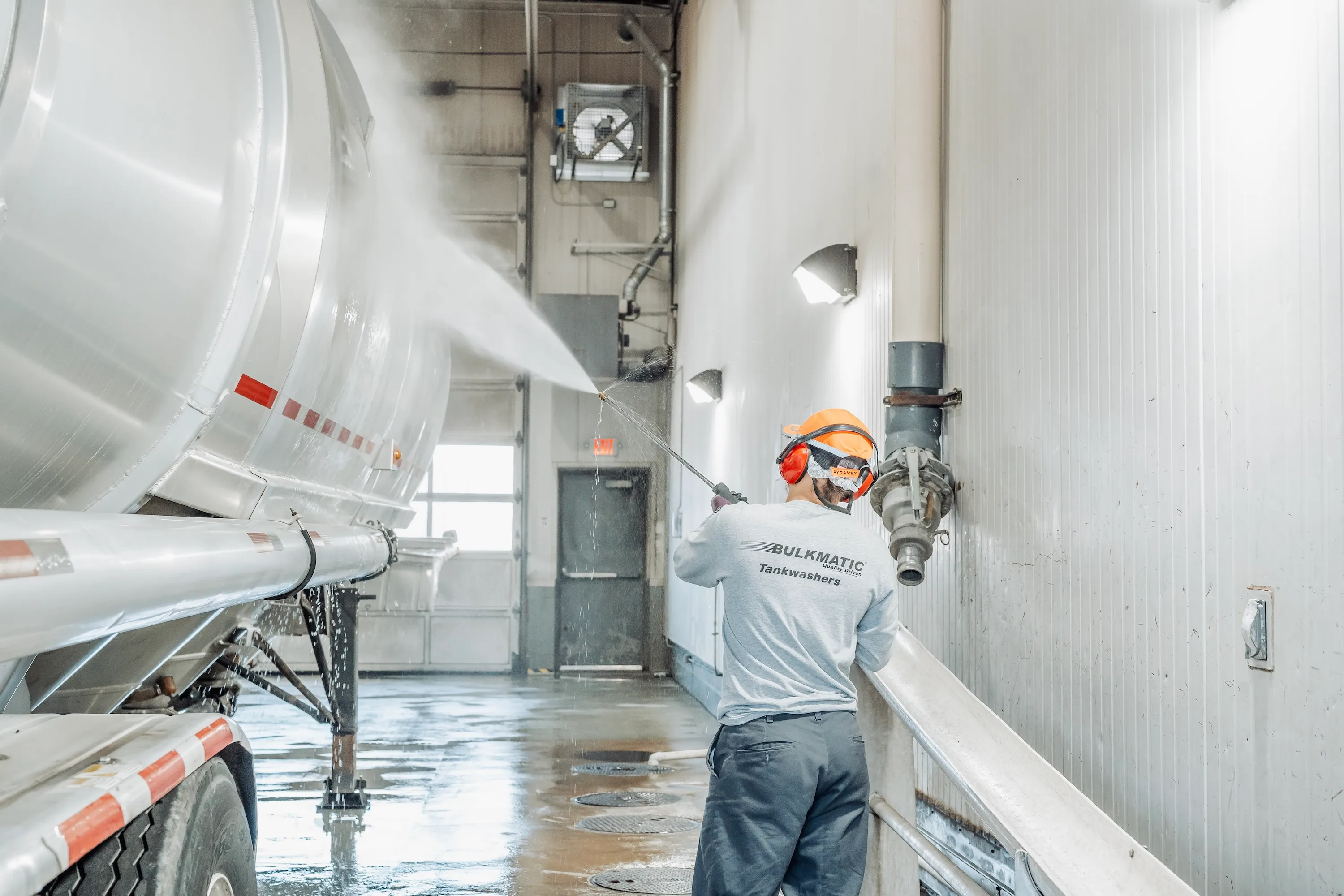
1. Tank Wash Integrity
Food safety begins with the condition of transport equipment.
- Comprehensive trailer inspections identify risks such as:
- Metal contamination
- Mold or microbial presence
- Residual product buildup
- Damaged gaskets or seals
- Properly cleaned and verified tanks ensure that products remain uncontaminated throughout transit
2. Seal Management and Product Security
Bulkmatic employs rigorous sealing protocols to prevent both accidental and intentional contamination.
- Seals are applied by tank wash facilities and verified by drivers
- Secure sealing mitigates tampering risks across the transportation lifecycle
- The potential impact is significant—a single truckload of flour can produce over 1.3 million cupcakes, amplifying the importance of product protection
3. Preventative Equipment Maintenance
Equipment conditions are directly tied to food safety outcomes.
- Damaged equipment can create:
- Moisture accumulation zones
- Microbial growth environments
- Harborage points for insects
- Bulkmatic prioritizes maintenance to eliminate these risks before they affect product quality
4. Driver Protocols and Operational Controls
Drivers play a frontline role in maintaining food safety standards.
- Adherence to established procedures is mandatory, including:
- Use of Alpet D2 wipes for sanitation
- Establishment of Product Protection Zones (PPZ) during loading and unloading
- These controls help prevent contamination at critical handling stages
5. Employee Empowerment Culture
Bulkmatic reinforces food safety through a culture of accountability.
- Every employee is empowered—and obligated—to halt operations if a food safety or quality concern arises
- This decentralized decision-making ensures rapid response and risk mitigation
Digital Enablement and Process Integration
Bulkmatic continues to enhance food safety through digital process integration, including:
- Digital documentation for tank wash validation
- Structured driver workflows
- Seamless seal tracking and verification
- GPS tracking of the final mile transportation
These systems help standardize execution and improve traceability across operations.
Conclusion: From Compliance to Competitive Advantage
Food safety should not be seen as a regulatory obligation—it is a strategic differentiator.
Bulkmatic’s approach transforms food safety from a compliance-driven burden into a value-added service that protects customers, strengthens supply chain integrity, and ultimately safeguards consumers.
By embedding safety into every process and empowering every employee, Bulkmatic helps ensure that the food supply remains secure, reliable, and safe for consumption.
About Bulkmatic
Bulkmatic is a trusted leader in bulk logistics, providing transportation, tank wash, and integrated supply chain solutions that prioritize safety, quality, and operational excellence.
